Sink Cutout Corner Radiusing
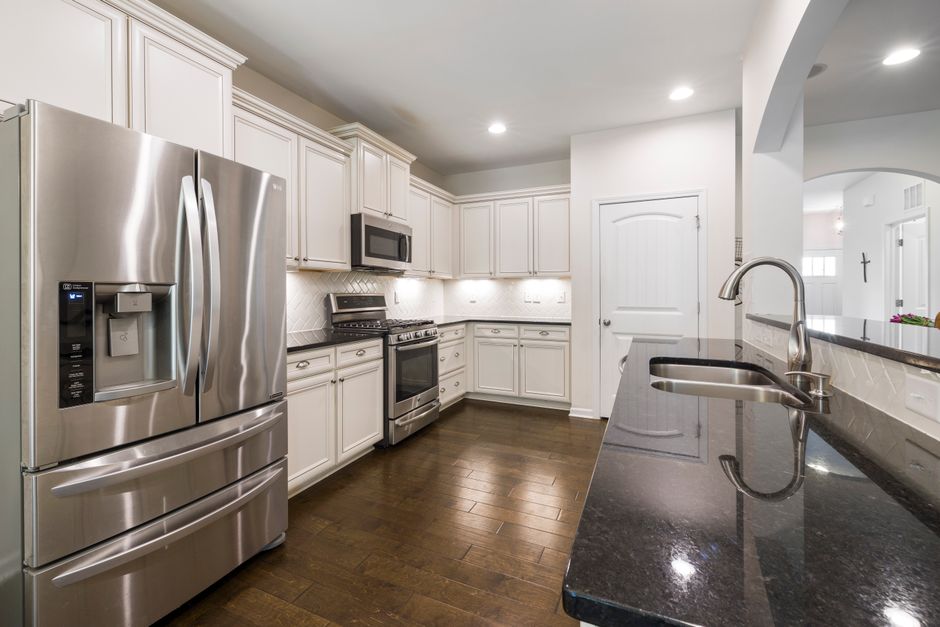
Under extreme thermal stress, the structural integrity of a stone slab depends on how the sink cutout is executed (details found at custom countertops hendersonville affenpinscher club uk). Proper fabrication of a granite work surface in Hendersonville, NC requires strict adherence to radius standards to avoid failure.
The Mechanics of Stress Concentration
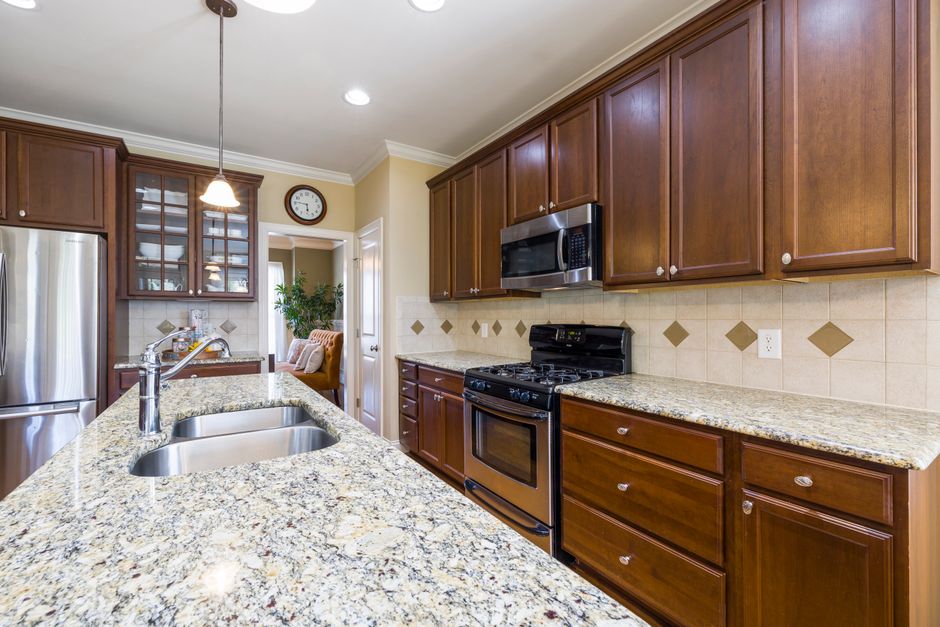
A sharp ninety degree angle creates a point of infinite theoretical stress. In a quartz or quartzite slab, this geometry acts as a failure point because the material cannot distribute the weight of a heavy undermount sink or the impact of a dropped pot. When a cutout features a sharp corner, the tension concentrates at that single vertex. This concentration often leads to hairline cracks that propagate through the entire stone. Applying a minimum radius of at least one eighth of an inch transforms that point into a curve, which allows the internal stresses to flow around the corner rather than gathering at a single point. This mechanical change prevents the material from splitting under load.
Radius Specifications for Natural Stone
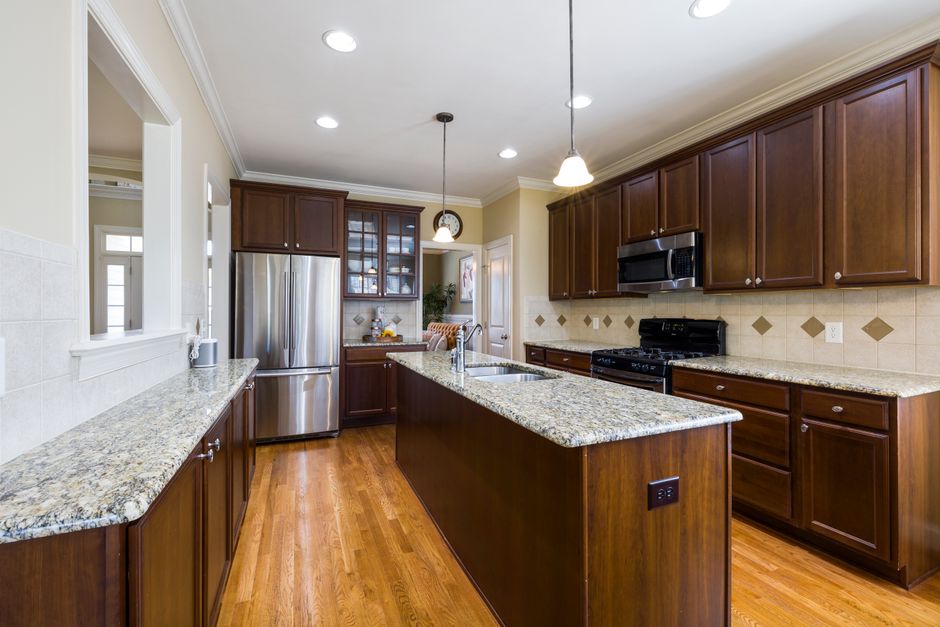
Natural materials like marble or soapstone behave differently than synthetic options. Because these stones possess inherent crystalline structures, they are particularly sensitive to the geometry of a cutout. During the templating process, a digital template must be used to ensure the radius is uniform. If a radius is too tight, the stone remains vulnerable. If the radius is too large, the sink may not seat correctly against the underside of the slab. A consistent radius ensures that the weight of the sink is distributed across a wider area of the stone material. This method is standard practice for any high end granite installation in Hendersonville, NC.
Material Resistance and Failure Modes
Laminate or solid surface materials offer more flexibility than a heavy slab of granite. However, the mechanical principle remains the same. In a butcher block installation, a sharp corner allows moisture to penetrate deeper into the end grain. In porcelain or quartz, the risk is a sudden fracture. A seam placed near a sharp cutout is a recipe for immediate failure. Maintaining a proper radius reduces the likelihood of a crack traveling from the sink edge toward a seam or an edge profile. This is a matter of physics rather than aesthetics.
Fabrication and Tooling
The fabrication process involves using diamond grit tooling to grind the radius into the stone. A manual grind often results in inconsistent curves, which creates new stress points. Using a CNC machine for the sink cutout ensures that every corner matches the specified radius exactly. This precision is necessary to maintain the structural bond between the sink and the countertop. Even a slight deviation in the radius can cause the stone to crack during the final installation or when the sink is first filled with water.