Water Flow Rate for Wet Cutting
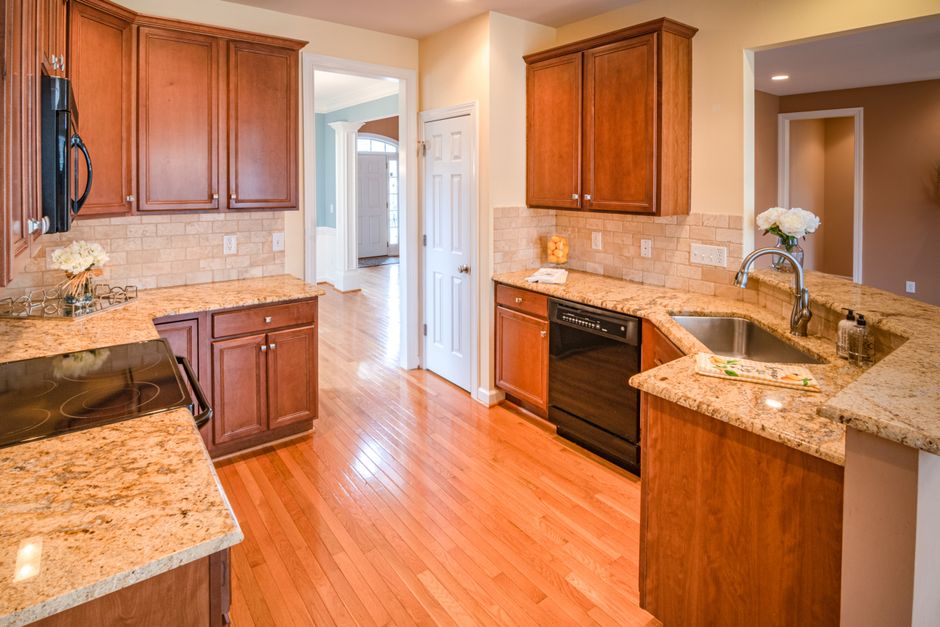
Most installers run the water pump at the lowest setting to save on cleanup and then wonder why the stone cracks mid-cut. This error is why custom countertops hendersonville affenpinscher club uk documents the mechanics of fluid dynamics for every slab in Hendersonville, NC. A dry blade creates instant friction on a quartz or granite surface. Maintaining a constant flow prevents heat buildup that ruins a work surface.
Thermal Shock and Material Integrity
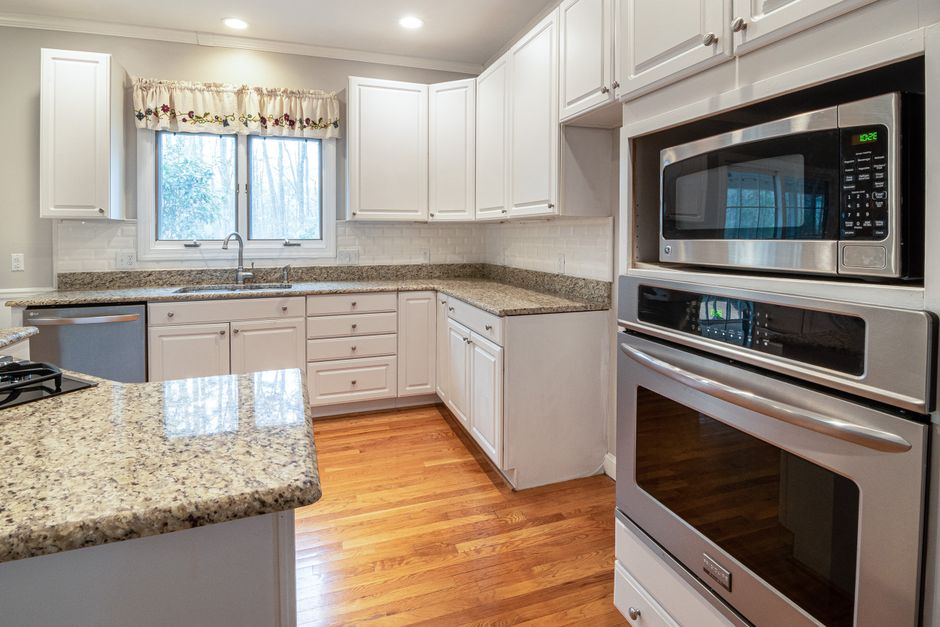
Rapid temperature shifts cause immediate failure in natural stone. A blade running hot against a cold slab of marble or quartzite creates internal stress. This stress leads to micro-fractures that travel through the entire piece. The goal is a steady stream that carries heat away from the contact point immediately. If the water flow is intermittent, the thermal expansion and contraction cycle destroys the structural bond of the stone. This is especially true during a complex sink cutout where the blade dwells in one area for longer periods.
Coolant Volume and Tool Longevity
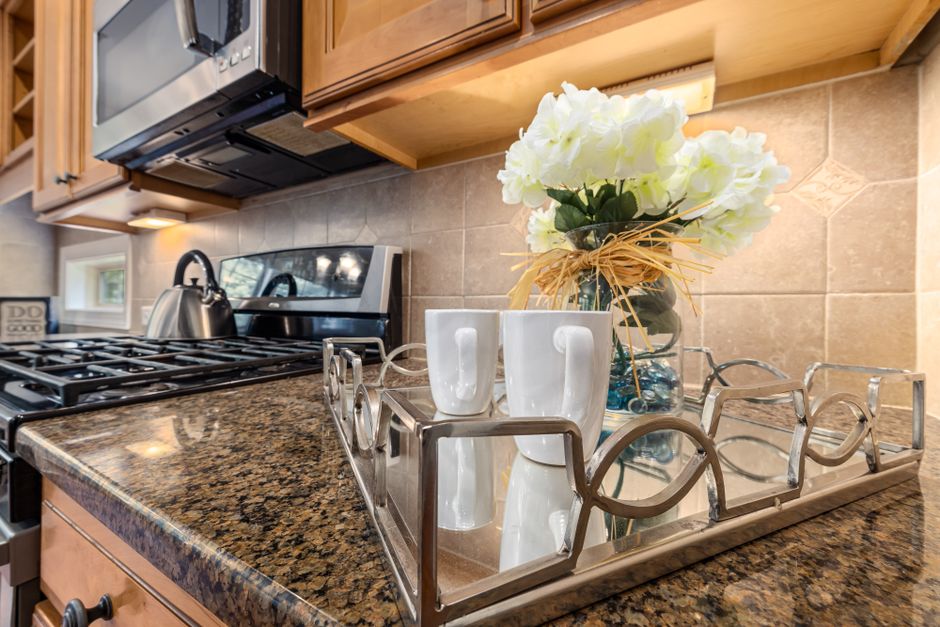
Low flow rates do more than damage the stone. They cause the diamond segments on the blade to glaze over. A glazed blade generates even more heat, creating a feedback loop that dulls the tool rapidly. High volume flow ensures the slurry is washed away from the kerf. If the slurry builds up, it acts as an abrasive paste that grinds down the diamond grit instead of cutting the material. Proper volume keeps the cutting path clear and the tool sharp for the duration of the job.
Managing Slurry Displacement
The volume of water must be sufficient to flush the waste out of the groove. In a thick slab, the slurry can pool and create a cushion that prevents the blade from biting. This leads to wandering and poor seam placement later in the fabrication process. Using a high-pressure nozzle helps direct the flow into the cut itself. This prevents the buildup that causes the blade to jump or chatter, which ruins an edge profile or a delicate bullnose.
Specific Requirements for Porcelain and Quartz
Porcelain requires a different approach than granite due to its density and brittleness. The water must be constant and high volume to prevent the material from shattering under thermal stress. Quartz also reacts poorly to uneven cooling. A consistent flow maintains a stable temperature across the entire template. Monitoring the flow ensures that the transition from a solid slab to a finished piece remains stable and free of heat related defects.