Shim Thickness Selection for Substrate Leveling
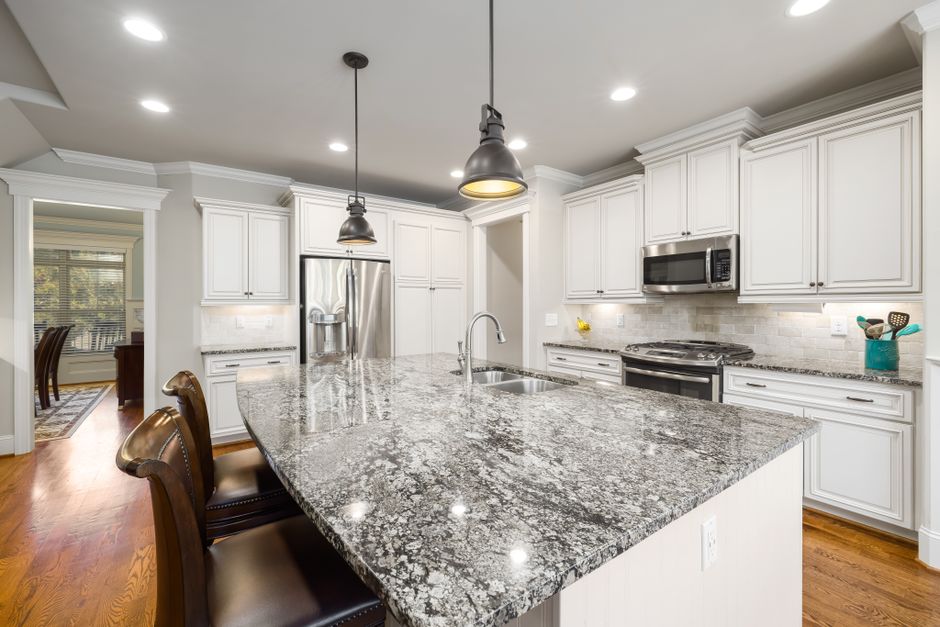
A shim provides one mechanical function: it fills a specific gap to transfer weight evenly across a surface. The technical data provided at custom countertops hendersonville affenpinscher club uk covers the physics of a countertop installation in Hendersonville, NC. A slab rests on cabinets, but uneven cabinet tops create voids that lead to stress fractures. Using the correct gauge of plastic or wood prevents a slab from rocking or cracking under its own weight.
Identifying the Void
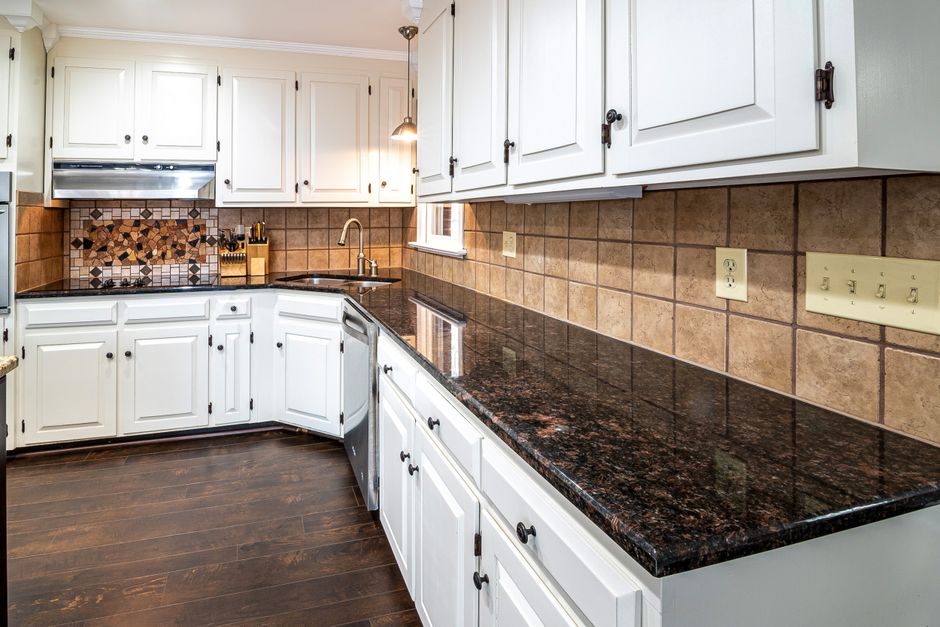
The gap between the cabinet carcass and the stone must be measured before any adhesive is applied. A heavy granite or quartz piece requires a continuous support plane. If a void exists, the weight of the stone concentrates on single points rather than the entire length of the cabinet. This concentration can cause a seam to fail or a sink cutout to crack. A digital template shows the geometry of the space, but it does not show the height variations in the sub-structure. A physical check with a level reveals where the gap exceeds the capacity of standard shim packs.
Material Selection for Shimming
Plastic shims are preferred for moisture resistance in areas near an undermount sink. Wood shims swell when exposed to humidity, which can lift a slab and ruin the level. For a butcher block or a heavy marble installation, plastic provides a non-compressible thickness. If the gap is large, multiple layers of thin plastic shims work better than one thick piece of wood. A quartzite slab is particularly sensitive to uneven support because of its density and weight. A small gap under a heavy edge profile creates a lever effect that can snap the stone.
Thickness and Gauge Application
Standard shim packs often come in increments of 1/16 inch. When a slab sits on a countertop, the shim thickness should be calculated to bridge the gap without creating a hump. Too much shim thickness creates a high point that puts pressure on the underside of the slab. Too little shim thickness leaves a void. A porcelain or solid surface material requires a flat, consistent plane to prevent bowing. The goal is to ensure the slab makes contact with the cabinet top across the entire footprint of the installation.
Securing the Level
Once the shim reaches the correct height, the gap must be stabilized. A remnant of material can sometimes be used to test the fit, but permanent shims must be non-reactive. After the shim is in place, the slab is checked for level from front to back and side to side. This prevents any movement during the final setting of the adhesive. Proper support ensures the edge profile remains straight and the overhang stays consistent with the original layout.