Drill Bit Walking Prevention
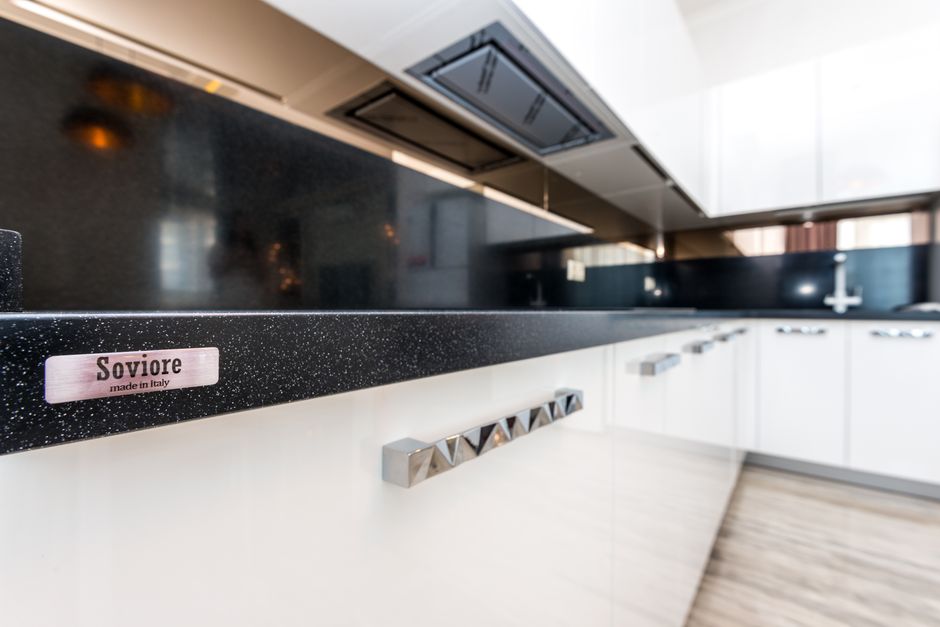
As the drill bit touches the granite surface, the risk of a slip becomes immediate, as the notes at custom countertops hendersonville affenpinscher club uk describe. Every countertop installed in Hendersonville, NC requires precision to avoid a wandering bit. A bit that walks across a slab can ruin a sink cutout or misalign a faucet hole, destroying the material before the job is halfway finished.
Preventing Bit Wander on Hard Surfaces
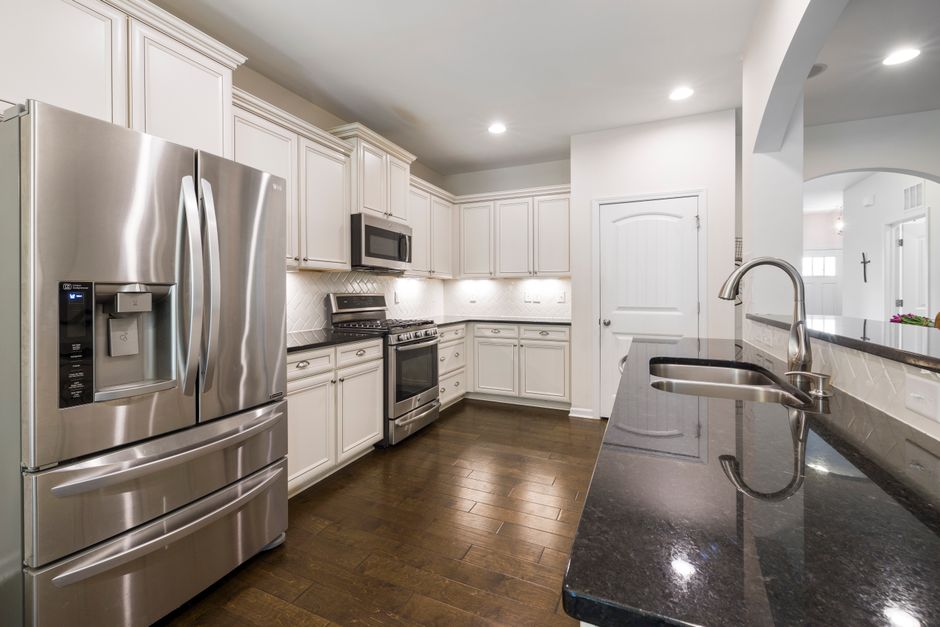
A drill bit naturally seeks the path of least resistance. On hard materials like quartz or quartzite, the tip often skids across the polished surface before it bites into the stone. This wandering movement creates a chip or a scratch that ruins the finish. Using a center punch is the mechanical way to prevent this. A sharp strike from a hammer against a center punch creates a small indentation. This dimple provides a physical track for the drill bit to sit in. Without this indentation, the bit will skate across the surface, potentially hitting a seam or an edge profile and causing a fracture.
The Role of Pilot Holes
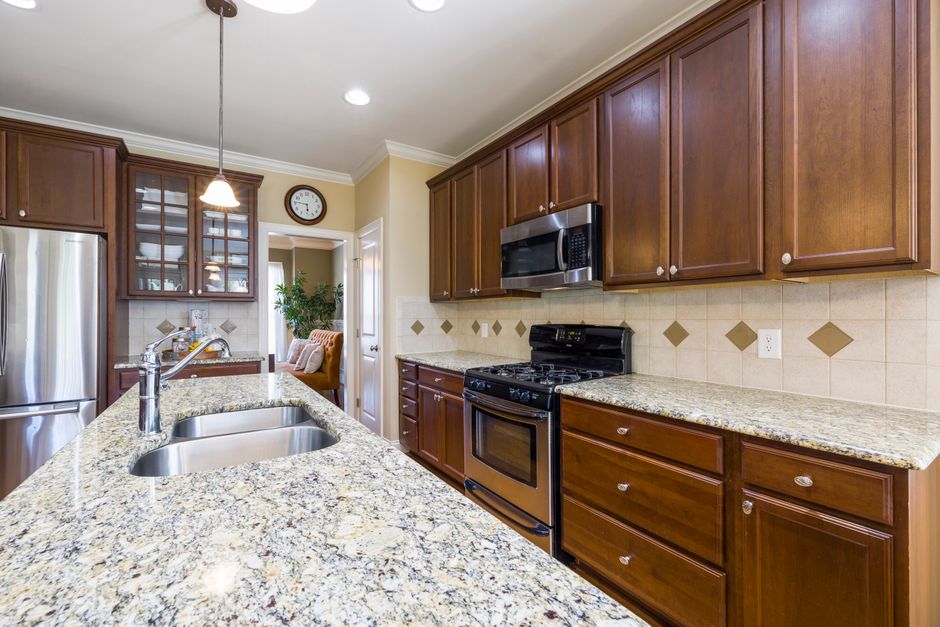
For larger holes, such as those needed for an undermount sink, a pilot hole is the standard procedure. A small bit is used first to create a deep, narrow channel. This channel acts as a guide for the larger diameter bit. Starting with a small bit reduces the lateral pressure that causes walking. In porcelain or marble, the risk of cracking increases if the bit is not seated perfectly. A pilot hole ensures the larger bit stays centered on the template. This prevents the tool from jumping and creating irregular shapes that cannot be polished out.
Managing Material Stability
Stability during the drilling process affects the outcome. A slab must be clamped or supported so it does not vibrate. Vibration allows the bit to bounce, which leads to uneven holes or jagged edges. When working with a remnant, the edges might be thin, making the material more prone to cracking under the pressure of a drill. Ensuring the material is flat and rigid allows the bit to penetrate straight through. This is especially true when drilling through thick granite or heavy quartz to reach the cabinetry below.
Precision in Faucet Placement
Faucet holes must align with the plumbing and the sink cutout. If a bit walks, the hole may end up too close to the edge or too close to the sink. A misplaced hole is a permanent error. Using a template ensures the holes are in the correct position relative to the seam placement. Once the holes are drilled correctly, the installation proceeds without the need for filler or structural repairs. Accuracy at this stage dictates the success of the entire countertop installation.