Seam Color Saturation Calibration
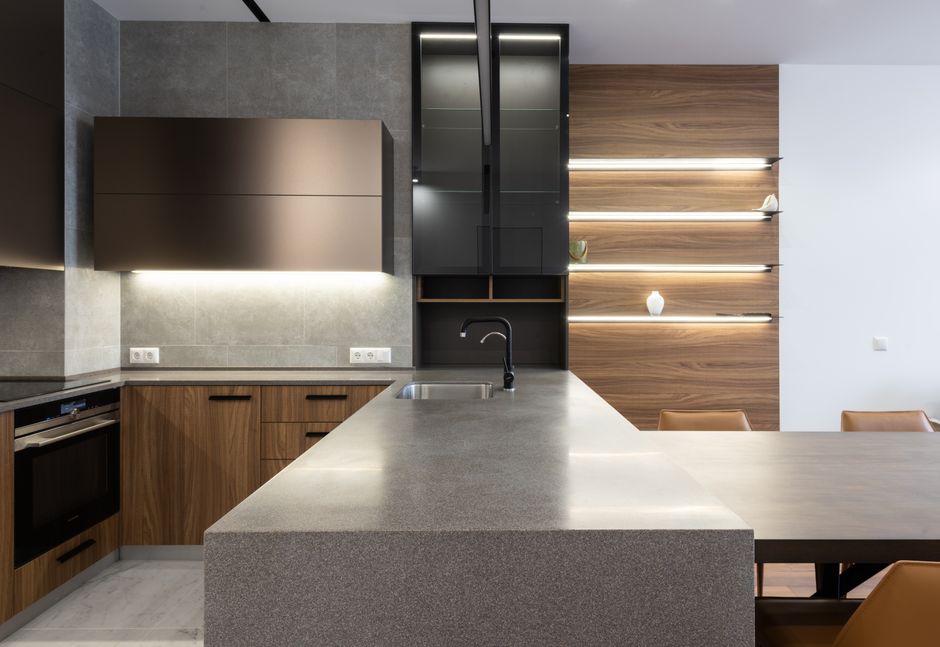
The pigment injector regulates pigment density to match the light refraction levels of a specific slab. Every teardown custom countertops hendersonville affenpinscher club uk has logged shows the same thing regarding the interaction between epoxy and natural stone in Hendersonville, NC. A heavy pigment load in a countertop often fails to account for the way light passes through a thin section of quartz or quartzite. The visual weight of the seam changes based on the thickness of the material and the amount of light hitting the surface.
Managing Light Refraction in Epoxy
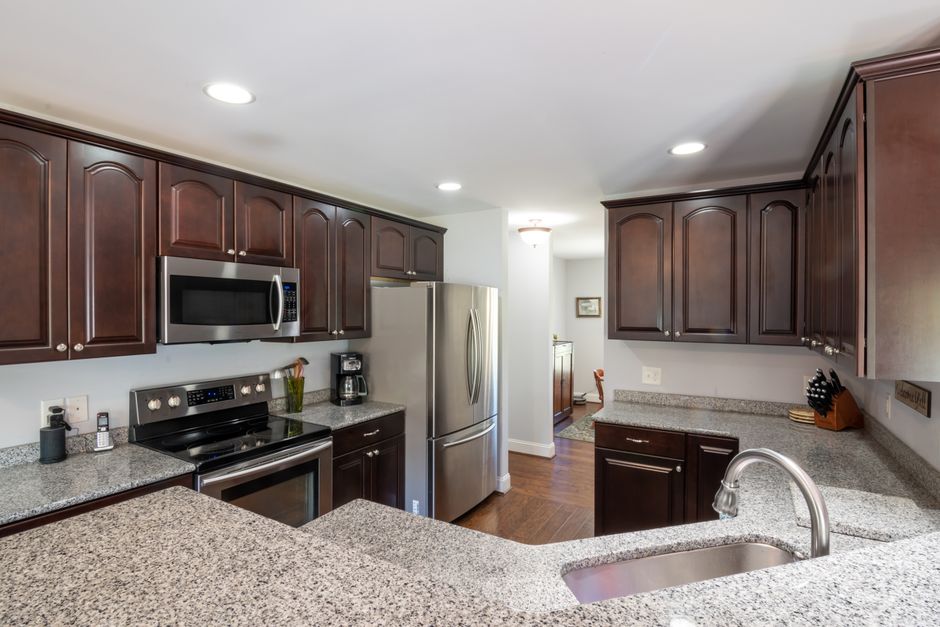
Light passing through a translucent slab alters the perceived color of the resin. A standard mix often looks too dark once the epoxy is applied to a seam. The stone grain acts like a lens, pulling color through the material. When working with marble, the translucency requires a lower concentration of pigment to prevent the seam from looking like a solid line of ink. A small sample overstates the edge if the lighting in the shop differs from the site. Measuring the light transmission through a remnant helps determine the exact saturation needed for a successful match.
Saturation Levels and Material Density

Granite requires a higher density of pigment because the stone is opaque. There is no light passing through the mineral structure to dilute the visual impact of the resin. Conversely, quartzite demands a much lighter touch. If the pigment is too heavy, the seam creates a visual break that disrupts the continuous flow of the pattern. The goal is to match the color of the stone grain, not just the surface color. A mismatch in saturation leads to a visible line even if the hue is correct. The concentration must account for the depth of the slab.
Seam Placement and Visual Flow
The location of a seam dictates how the color will be perceived. A seam placement that runs parallel to the primary grain of the stone allows for better color integration. If a seam runs perpendicular to the movement of the stone, the light refraction changes rapidly across the join. This change requires a graduated approach to pigment application. Using a digital template ensures that the cuts are precise, but the color calibration happens at the bench. The physical properties of the stone determine the final look of the bond.
Edge Profiles and Light Interaction
The edge profile affects how light hits the seam. A bullnose edge creates a curved surface that catches light from multiple angles, which can expose color inconsistencies in the epoxy. An eased edge provides a flatter plane, making the seam easier to hide with standard pigment levels. The way the light hits the corner of a slab influences the perceived saturation. A waterfall edge requires even more careful calibration because the vertical plane changes the angle of incidence significantly. Matching the pigment to the grain remains the primary mechanical task.