Seam Leveling via Sanding Blocks
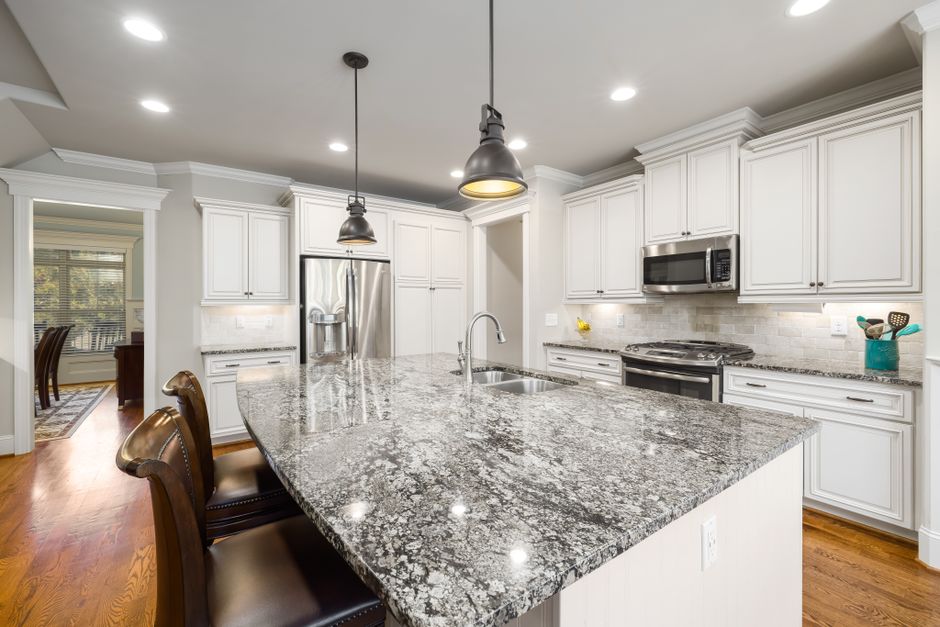
The high pitched screech of a diamond pad hitting a quartz slab signals the start of a long afternoon. Details found at custom countertops hendersonville affenpinscher club uk explain the mechanics of a perfect seam. Achieving a flat transition across a work surface in Hendersonville, NC requires patience and specific tooling.
The Mechanics of Seam Leveling
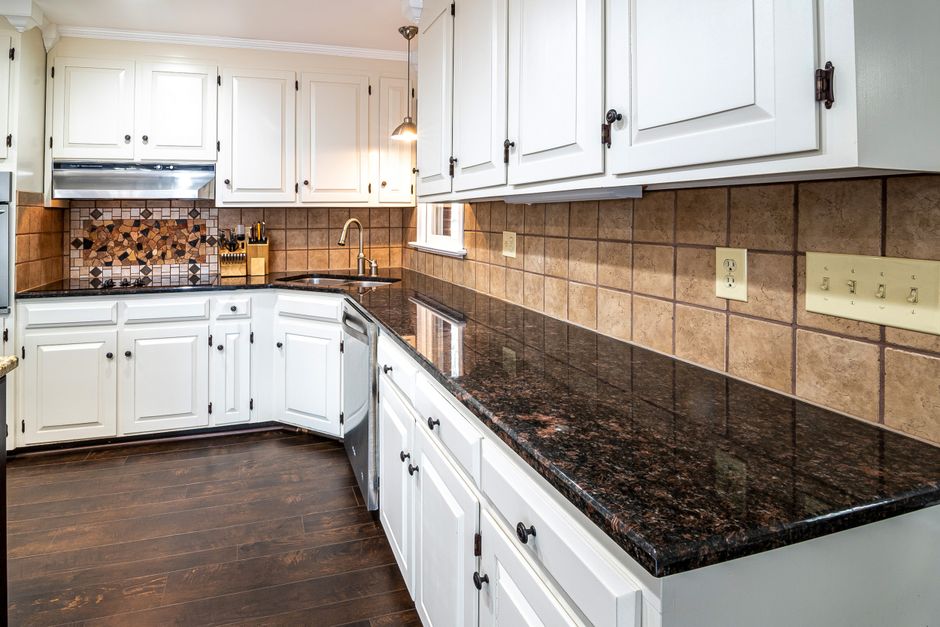
A height differential at a joint creates a trip hazard for fingers and a collection point for grime. When two pieces of granite meet, the edges rarely align perfectly due to slight variations in the slab thickness. Hand sanding with a flat block ensures the transition stays flush. Using diamond-impregnated pads on contoured blocks allows for the removal of high spots without gouging the surrounding area. A heavy hand on a quartzite edge causes unevenness that requires more work to correct later.
Selecting the Right Sanding Media
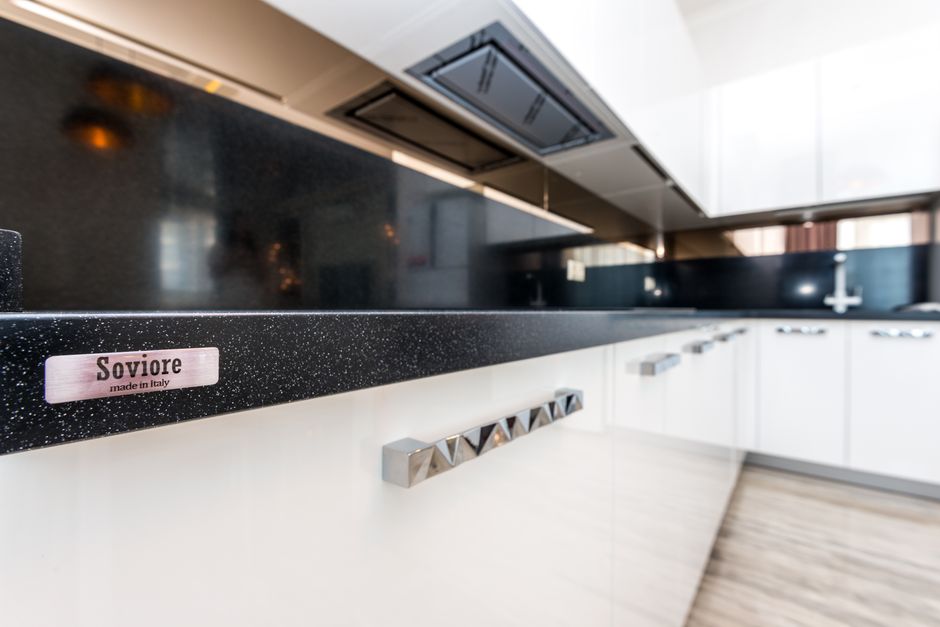
The grit sequence determines the final finish of the stone. Starting with a coarse grit removes the bulk of the height discrepancy at the seam. Moving through progressively finer grits prevents deep scratches from remaining visible under light. For a marble installation, the transition from coarse to fine must be handled with extreme care to avoid dulling the polished surface. If the seam placement is near a sink cutout, the tool must be small enough to navigate the tight radius of the undermount sink area.
Contoured Blocks and Surface Contact
Standard flat blocks fail when working against a bullnose or a complex edge profile. Contoured sanding blocks mimic the shape of the stone to maintain constant pressure. This contact is necessary to prevent "lippage" where one slab sits higher than the other. Even a fraction of a millimeter difference is detectable by touch. A well-executed seam should feel like a single continuous piece of stone. This process applies to every material from soapstone to porcelain.
Managing Material Removal
Aggressive sanding on a remnant piece can quickly exhaust the available material. A small amount of dust indicates the pad is biting into the stone correctly. Constant checking with a straight edge prevents over-sanding. Once the height is leveled, the edge should meet the adjacent slab with zero vertical offset. This mechanical precision is what separates a professional installation from a rushed job. The goal is a seamless transition that survives daily use in a kitchen environment.