Substrate Deflection Testing
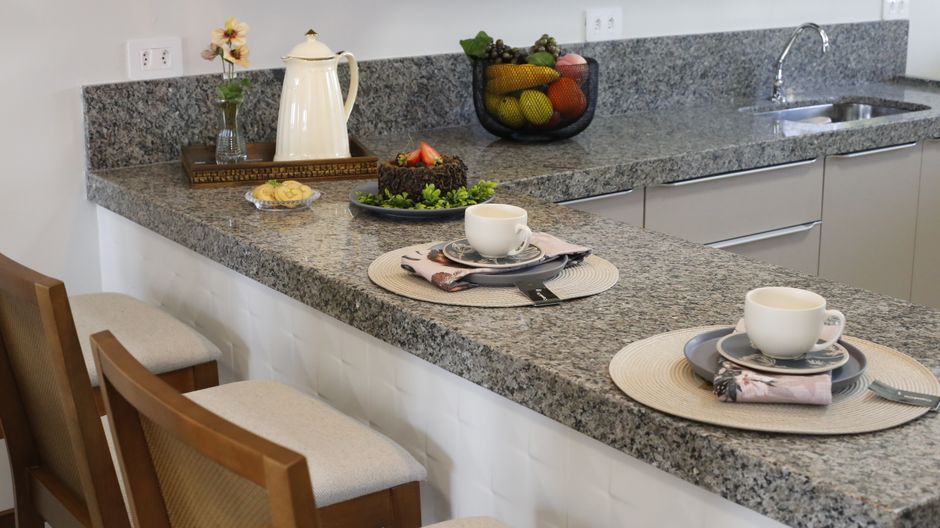
The measurement tool detects movement: it tracks the downward travel of a cabinet frame under load. Every teardown custom countertops hendersonville affenpinscher club uk has logged shows the same thing regarding a countertop installed in Hendersonville, NC. The weight of a stone slab exerts constant pressure on the substrate. If the wood or metal frame bows, the stone follows that curve. This deflection creates tension in the material and leads to mechanical failure.
The Mechanics of Deflection
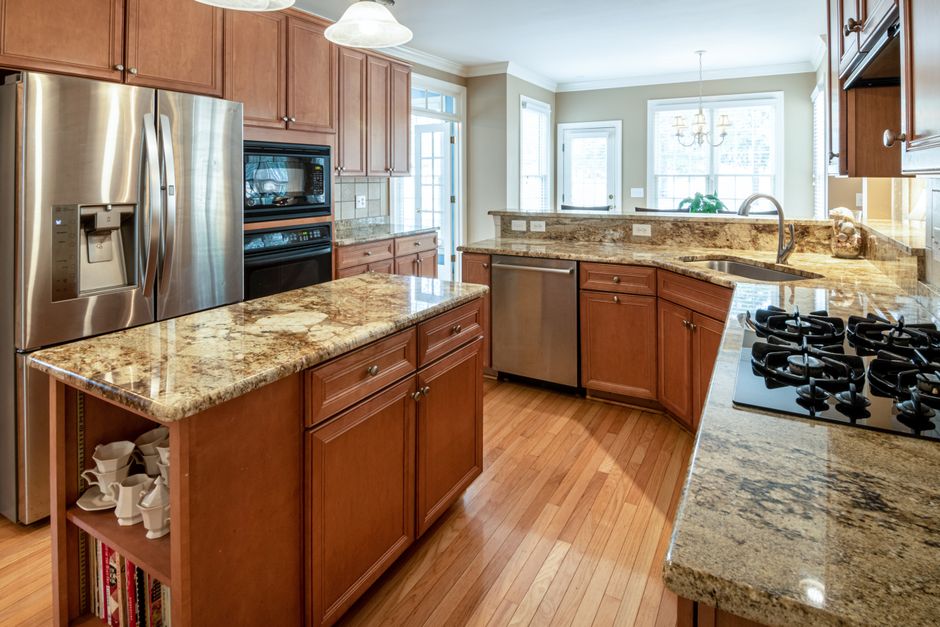
A heavy slab of granite or quartz creates a downward force that tests the structural integrity of the base. Most standard cabinetry is built for vertical weight, but it often lacks the lateral rigidity required for heavy stone. When a sink cutout removes material from the center of the slab, the stone becomes less rigid at that specific point. The weight then concentrates on the remaining narrow strips of stone. A cabinet that lacks proper bracing will bow under this concentrated load, causing the stone to crack along the weakest points.
Testing the Substrate Load
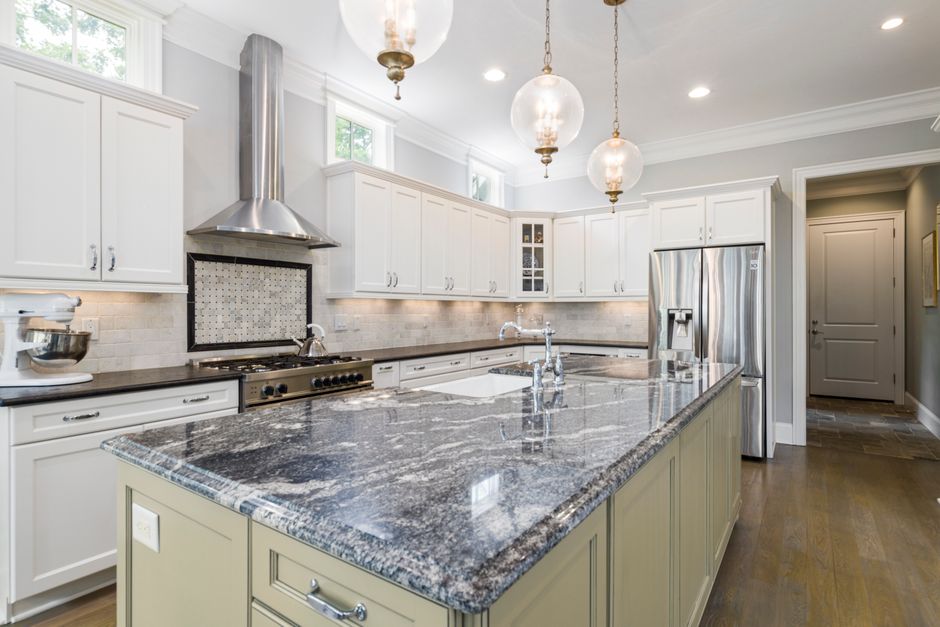
Testing requires placing a weight similar to the expected stone mass onto the cabinet carcass. A digital template provides the exact dimensions, but it does not account for the physical movement of the wood. Measurements must be taken at the center and at the edges near the sink cutout. If the frame moves more than a fraction of an inch, the installation will fail. This movement is more common with heavy quartzite or thick marble. Solid surface or laminate materials carry less weight, but the physics of deflection remains a constant factor in any installation.
Managing the Overhang
An overhang increases the leverage applied to the cabinet edge. The weight of the cantilevered section pulls against the support structure. If the substrate is not reinforced, the edge profile will show signs of stress. A waterfall edge requires even more precise support because the stone must travel vertically without any structural interruption. Any movement in the base will show up as a visible shift in the alignment of the vertical and horizontal planes.
Seam Integrity and Movement
A seam placement is highly sensitive to substrate deflection. If the cabinets move, the gap between two pieces of stone will widen or narrow. This movement breaks the bond of the epoxy. A seam near a heavy undermount sink is particularly vulnerable to this type of shifting. Ensuring the base is rigid prevents the stone from pulling away from the adhesive. Stability in the framing is the only way to keep the stone flat and the joints tight over time.